

Do I Need a Wind Mitigation Inspection in Florida? Understanding Costs, Requirements, and Benefits
By Greg White, Unity Home Inspections
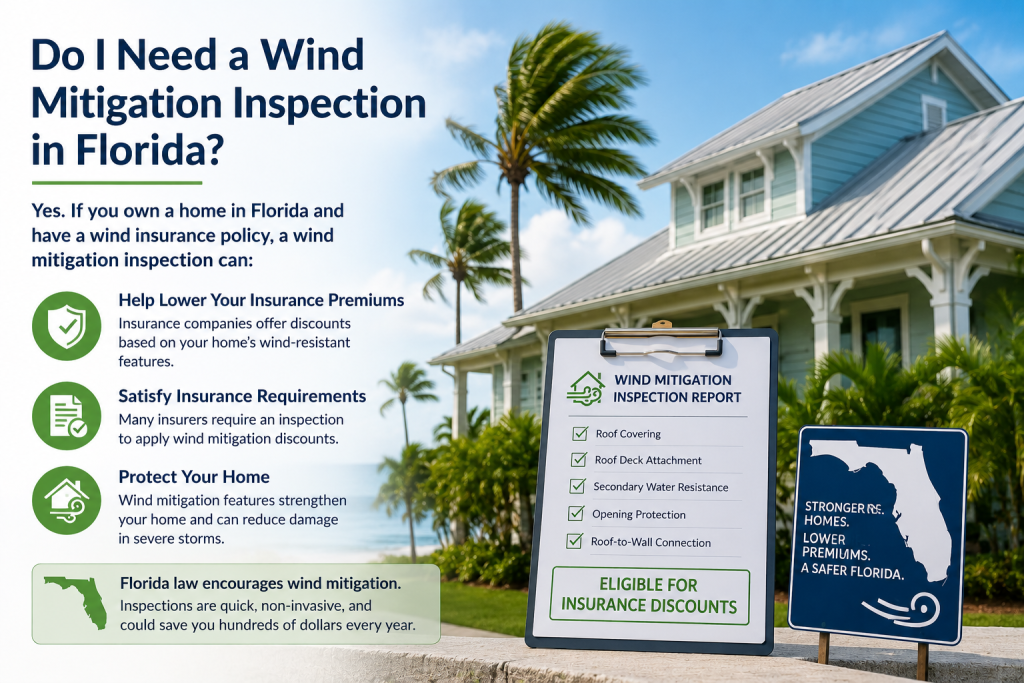
Florida faces frequent hurricane risk, so a wind mitigation inspection evaluates how well a home resists high winds and where it may be vulnerable. These inspections measure wind‑resistant features and the home’s overall resilience. The practical benefits include clearer safety priorities and potential insurance savings. This article outlines the inspection process, costs, requirements, and long‑term advantages so homeowners can make informed decisions about wind mitigation inspections.
What Is a Wind Mitigation Inspection and Why Is It Important in Florida?
A wind mitigation inspection is a detailed evaluation of a home’s ability to withstand wind forces, especially during hurricanes. In Florida, where storm exposure is high, these inspections identify features that affect wind performance—such as roof shape and roof covering type. Spotting weaknesses before a storm allows homeowners to prioritise repairs, reduce potential damage costs, and improve occupant safety.
How It Is Conducted
Wind mitigation inspections are performed by certified inspectors who examine the roof, windows, doors, and key structural elements. The assessment follows a standard sequence of steps designed to document the home’s wind‑resistance features and any vulnerabilities.
- Initial Assessment: The inspector reviews the property and gathers essential information about the home’s construction.
- Feature Evaluation: Specific features, such as roof shape, covering, and anchoring systems, are examined for effectiveness against wind.
- Documentation: The inspector documents all findings and prepares an official wind mitigation report detailing the home’s wind-resistance capabilities.
The structured process yields an accurate snapshot of condition and clear recommendations homeowners can use to strengthen the property.
Benefits to Homeowners
The benefits of wind mitigation inspections extend beyond immediate safety and can include:
- Insurance Discounts: Many homeowners qualify for substantial discounts on their insurance premiums by proving their homes meet certain wind-resistance standards.
- Enhanced Safety: By identifying and addressing vulnerabilities, homeowners can significantly reduce the risk of storm-related damage.
- Increased Property Value: Homes that are well-prepared for hurricanes often attract more buyers, adding to long-term real estate value.
Beyond safety, confirmed wind‑resistant features often translate into ongoing insurance savings, making inspections a practical investment.
Research also shows a clear relationship between purchasing wind insurance and investing in wind mitigation measures for the home.
Wind Insurance and Mitigation Decisions in Coastal Zones
ABSTRACT: This study analyses the decision to purchase wind coverage for households whose standard homeowner policies exclude wind, and it examines decisions to undertake wind mitigation measures. Because the two decisions are related, the authors use a simultaneous mixed‑process approach that allows correlation between the insurance (probit) and mitigation (tobit) models. Results show a positive correlation between the model errors; conditioning on covariates, households that carry wind insurance tend to undertake higher levels of wind mitigation. (DR Petrolia, 2015)
Wind insurance and mitigation in the coastal zone, DR Petrolia, 2015
Costs and Requirements
Knowing inspection costs helps homeowners plan. Typical fees range from $75 to $400, depending on the home’s size and complexity. The main cost drivers include the property’s age, structural materials, and its location in Florida.
- The age of the home
- Structural features and materials
- Geographic location within Florida
Factor these variables into your budget when arranging an inspection to avoid surprises.
How Does a Wind Mitigation Inspection Protect Florida Homeowners?
Inspections pinpoint structural weaknesses so homeowners can act before a storm. Recommended upgrades—such as reinforcing roof connections, installing impact‑resistant windows, and securing doors—reduce the likelihood of severe damage. Those improvements can also lower insurance premiums, creating both safety and financial benefits.
What Features Are Evaluated in a Wind Mitigation Inspection Checklist?
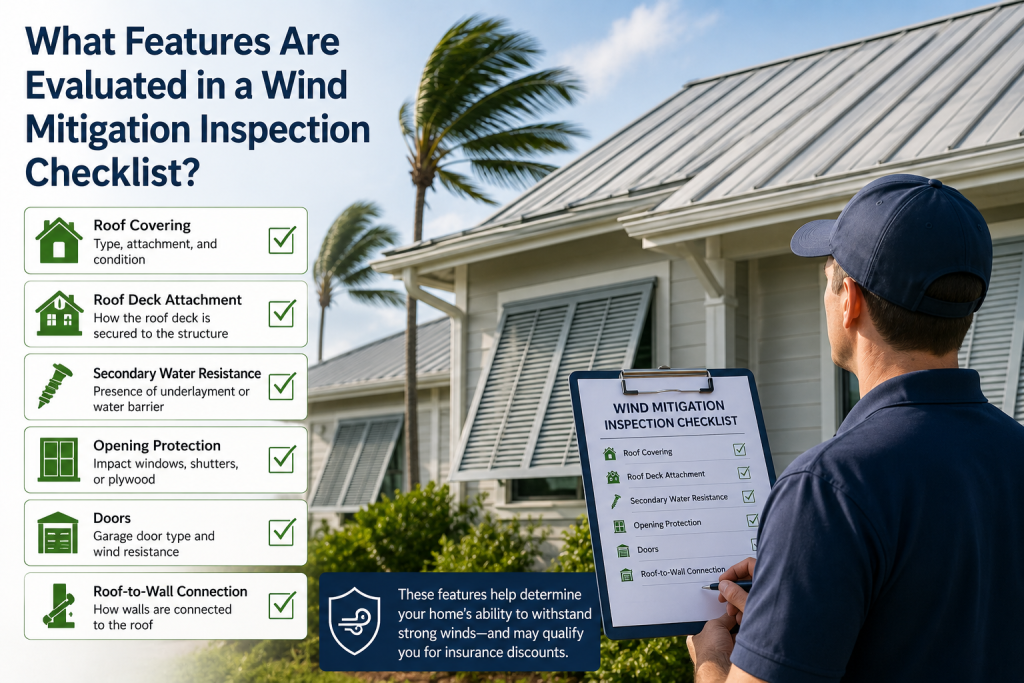
An inspection reviews specific components that influence wind performance, such as roof shape, roof covering, and protection for openings. These features help determine the home’s overall wind resistance.
- Roof Shape: Gable, hip, or flat designs react differently to wind loads.
- Roof Covering: The material and quality of the roof impact its ability to withstand storms.
- Opening Protection: Presence of storm shutters or impact-resistant windows can substantially lower risks.
The documented findings inform eligibility for insurance discounts and guide targeted upgrades to improve safety.
How Can a Wind Mitigation Inspection Help You Qualify for Home Insurance Discounts?
Inspection reports provide insurers with verified evidence of wind‑resistant features. Insurers often reduce premiums for homes that demonstrate approved roofing materials, reinforced framing, and effective opening protections for windows and doors.
- Approval ratings for roofing materials
- Uses of reinforced framing
- Effectiveness of opening protections (windows and doors)
With a formal report, homeowners can present documented results to their insurer and pursue lower rates based on verified improvements.
Which Insurance Discounts Are Available Through Wind Mitigation Certification?
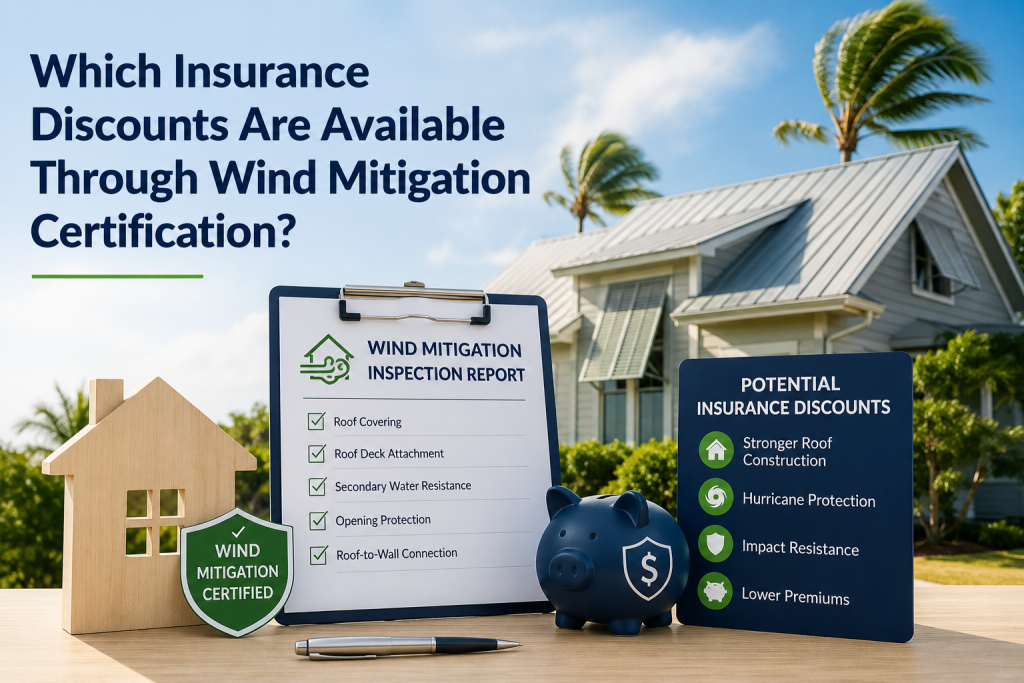
Wind mitigation certification can unlock several insurance savings and options, depending on the insurer and the specific features documented in the report.
- Discounts on Homeowners Insurance: Homeowners may receive discounts of up to 20% on their premiums.
- Specialized Coverage Options: Some insurance companies offer tailored coverage options for homes with enhanced wind mitigation features.
- Bundled Savings: Combining multiple policies (e.g., auto and home insurance) may yield additional savings.
These discounts represent the direct financial value of investing in wind protection measures.
What Are the Latest 2025-2026 Savings Statistics for Florida Homeowners?
Recent analyses show measurable savings for homeowners who obtain wind mitigation certification. On average, certified homes can save about $390 per year on insurance premiums, and a 2025 study reports lower damage claim rates for certified properties during storm seasons.
What Are the Florida Wind Mitigation Inspection Requirements and Regulations?
Florida regulations require that wind mitigation inspections be performed by qualified, licensed professionals. Verify an inspector’s credentials and licencing to ensure the report meets local and state standards.
Is a Wind Mitigation Inspection Required by Florida Law or Insurance Companies?
Florida law does not mandate wind mitigation inspections, but many insurers strongly recommend them. Insurers frequently request an inspection report before granting premium discounts, so obtaining one is often necessary to secure reduced rates.
How Do Local County Requirements Affect Your Inspection Process?
County rules can vary and may affect required documentation or submission processes. Check local regulations to confirm any county‑specific forms or steps so the inspection and certification proceed smoothly.
How Much Does a Wind Mitigation Inspection Cost in Florida?
Typical inspection fees range from $75 to $400, influenced by home size, complexity, and county. The table below offers example average costs for several Florida counties.
| County | Average Cost | Notes |
|---|---|---|
| Miami-Dade | $250 | Higher due to urban construction complexities |
| Duval | $200 | Moderate market conditions yield standard pricing |
| Orange | $150 | Competitive pricing with many available inspectors |
Use these ranges to estimate costs and plan for the inspection expense in your home maintenance budget.
What Factors Influence the Cost of Wind Mitigation Inspections?
Several factors can influence the cost of conducting a wind mitigation inspection:
- Home Size: Larger homes may require more extensive assessments, increasing costs.
- Inspection Complexity: Homes with unique structures or materials may require specialized inspection methods.
- Location: Areas more susceptible to storms may see higher inspection prices due to demand.
Knowing these drivers helps homeowners compare quotes and assess whether a proposed price is reasonable.
Are There Ways to Optimize Your Wind Mitigation Inspection Expenses?
Homeowners can optimize their wind mitigation inspection costs through several strategies:
- Schedule in the Off-Season: Booking inspections during off-peak months can lead to lower fees.
- Collect Multiple Quotes: Comparing prices from various inspectors ensures the best deal.
- Ask About Discounts: Some inspectors may offer discounts for multiple services.
Applying these approaches helps manage costs while still obtaining a thorough, reliable inspection.
When and How Should You Schedule a Wind Mitigation Inspection in Florida?
Plan inspections outside peak storm periods. Aim to complete them several weeks before hurricane season peaks, which runs from June through November, so there is time to address recommended repairs.
What Is the Best Time to Schedule Your Wind Mitigation Inspection?
Late winter or early spring is an ideal time to schedule an inspection. This timing gives you a window to implement necessary improvements before hurricane season begins.
How to Choose a Qualified Wind Mitigation Inspection Service in Florida?
Choosing a qualified wind mitigation inspection service involves several critical considerations:
- Licensing and Certification: Ensure the inspector holds proper certifications.
- Experience: Look for inspectors with extensive experience in Florida’s unique building codes and storm risks.
- Customer Reviews: Checking testimonials and reviews from previous clients can provide insights into the inspector’s reliability.
Evaluating these factors increases the likelihood of receiving an accurate report and useful recommendations.
What Additional Benefits and Services Complement Wind Mitigation Inspections?
In addition to wind mitigation inspections, homeowners should consider complementary services such as full home inspections and 4 point inspections. These services offer a comprehensive evaluation of the property.
How Do Full Home and 4 Point Inspections Enhance Your Home’s Safety Profile?
Full home inspections document the overall condition of the property and surface issues beyond wind risks. A 4‑point inspection concentrates on roofing, electrical, plumbing, and HVAC—systems insurers often review. Together, these evaluations give a fuller picture of safety and maintenance needs.
Are There Homeowner Testimonials or Case Studies Demonstrating Inspection Value?
While specific testimonials are not provided here, insurer data and academic studies consistently show that wind mitigation measures reduce claim frequency and can produce noticeable insurance savings. Many homeowners report both reduced premiums and increased confidence in their property’s resilience.