

How to Prepare Your Home for a Successful Inspection

Preparing your home for a successful inspection is crucial for both sellers and buyers in the real estate market. A well-prepared home can lead to a smoother transaction and potentially higher offers. This article will guide you through essential steps to ensure your home is ready for inspection, highlighting the importance of a home inspection checklist for sellers and common issues to address. By understanding the inspection process and taking proactive measures, you can alleviate stress and enhance your home’s appeal to prospective buyers. We will cover key steps in preparing your house, effective use of checklists, prioritizing repairs, and what to expect during the inspection process.
What Are the Key Steps in Preparing Your House for Inspection?
Preparing your house for inspection involves several key steps that can significantly impact the outcome. First, reviewing property disclosures is essential to ensure all necessary information is available to the inspector. Next, making a list of questions for the inspector can help clarify any concerns you may have. Lastly, ensuring all areas of the home are accessible, including attics, basements, and crawl spaces, is crucial for a thorough inspection.
- Review Property Disclosures: Ensure all relevant information about the property is disclosed to the inspector.
- Prepare Questions for the Inspector: Having a list of questions can help you understand the inspection process better.
- Ensure Accessibility: Make sure all areas of the home are accessible to facilitate a comprehensive inspection.
These steps lay the groundwork for a successful inspection, leading to a better understanding of your home’s condition.
How to Use a Home Inspection Checklist for Sellers Effectively
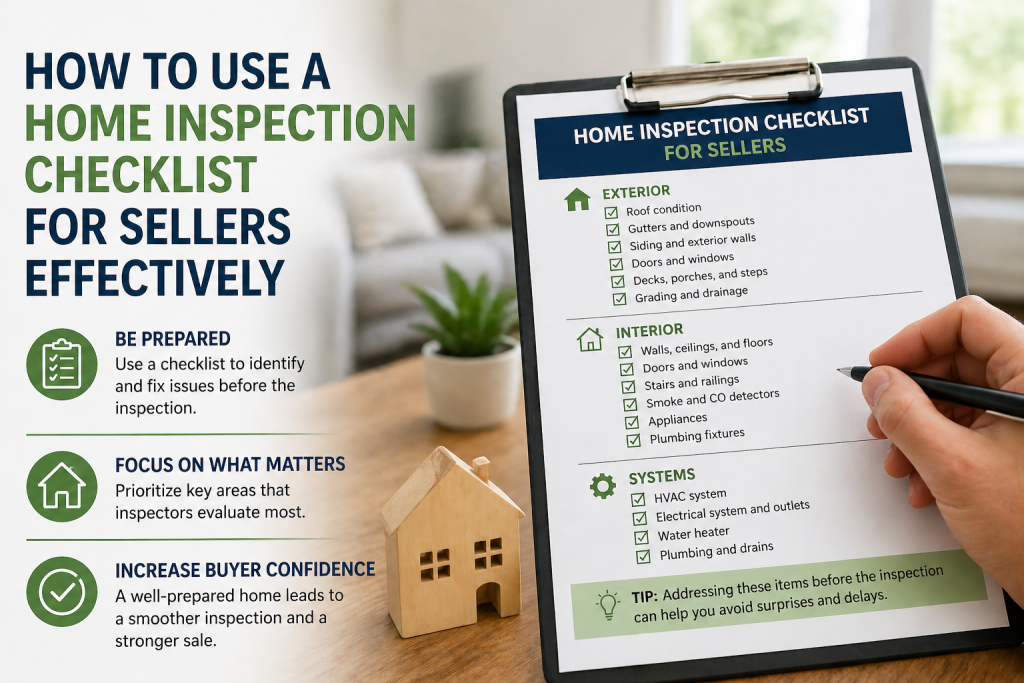
A home inspection checklist for sellers is a valuable tool that can streamline the preparation process. This checklist typically includes items that need attention before the inspection, such as checking for leaks, ensuring all appliances are functional, and verifying that smoke detectors are operational. By prioritizing these tasks, sellers can address potential issues that may arise during the inspection.
- Importance of a Checklist: A checklist helps ensure that no critical areas are overlooked during preparation.
- Common Items to Include: Include items like roof condition, plumbing, and electrical systems in your checklist.
- How to Prioritize Tasks: Focus on repairs that are likely to impact the inspection outcome the most.
Using a checklist effectively can help sellers present their homes in the best possible light, increasing the chances of a favorable inspection report.
Unity Home Inspections offers detailed home inspection services that evaluate structural, mechanical, and safety aspects of residential properties. Their thorough approach ensures that sellers are well-informed about their home’s condition before the inspection.
Understanding the dynamics between sellers and buyers, and the potential for undisclosed issues, underscores the critical role of a thorough inspection.
What Pre-Inspection Repairs Should You Prioritize?
Identifying critical repairs before an inspection can significantly influence the inspection results. Prioritizing repairs such as roof issues, foundation cracks, and electrical system updates can prevent potential failures during the inspection.
Repair Type | Importance | Impact on Inspection |
|---|---|---|
Roof Repairs | High | Prevents leaks and structural damage |
Foundation Repairs | High | Ensures structural integrity |
Electrical System Updates | Medium | Reduces safety hazards |
Addressing these repairs not only enhances the home’s value but also builds trust with potential buyers.
Which Common Home Inspection Issues Should Sellers Know and Address?
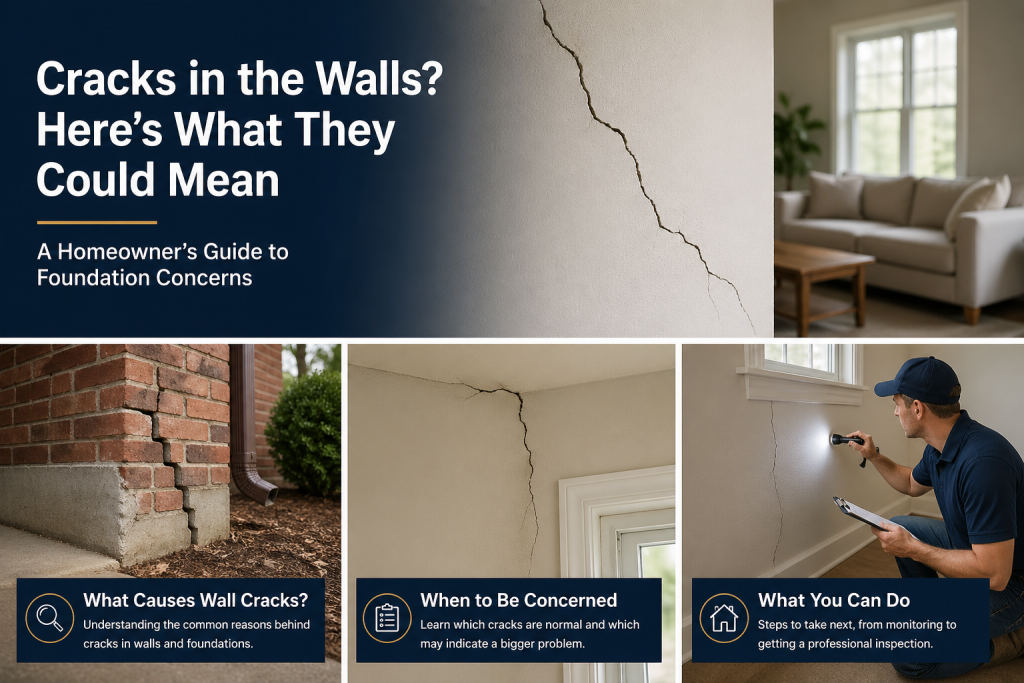
Sellers should be aware of common home inspection issues that can arise, as these can affect the sale. Common problems include roof damage, foundation cracks, and electrical problems. Being proactive in addressing these issues can lead to a smoother inspection process.
- Roof Damage: Look for missing shingles or leaks that could raise red flags.
- Foundation Cracks: Small cracks may be manageable, but larger ones can indicate serious issues.
- Electrical Problems: Ensure that all wiring is up to code and that outlets are functional.
By addressing these common issues, sellers can improve their chances of passing the inspection without complications.
What Are the Most Frequent Inspection Failures in Florida Homes?
In Florida, certain inspection failures are more common due to the unique climate and building practices. Frequent issues include roof damage, foundation issues, and electrical problems. Understanding these common failures can help sellers prepare effectively.
- Roof Damage: Florida’s weather can lead to wear and tear on roofs, making inspections critical.
- Foundation Issues: Soil movement can cause foundation problems, which are often flagged during inspections.
- Electrical Problems: Older homes may have outdated electrical systems that do not meet current safety standards.
Awareness of these frequent failures allows sellers to take preventive measures, ensuring a smoother inspection process.
How Can You Avoid These Common Home Inspection Problems?
Avoiding common home inspection problems requires diligence and preparation. Sellers can mitigate issues by reviewing property disclosures, preparing questions for the inspector, and ensuring access to all areas of the home.
- Review Property Disclosures: Ensure all necessary information is disclosed to avoid surprises.
- Prepare Questions for the Inspector: This can help clarify any concerns and ensure a thorough inspection.
- Ensure Access to All Areas: Make sure that all parts of the home are accessible for inspection.
By taking these steps, sellers can significantly reduce the likelihood of encountering common inspection problems.
How to Schedule and What to Expect During Your Home Inspection
Scheduling a home inspection involves contacting a qualified inspector and providing them with property details. During the inspection, expect a thorough evaluation of the home’s condition, including structural, mechanical, and safety aspects.
- Contact the Inspector: Reach out to a reputable home inspection service to schedule your inspection.
- Provide Property Details: Be prepared to share information about the home’s age, previous repairs, and any known issues.
- What to Expect: The inspector will evaluate various aspects of the home and provide a detailed report.
Understanding the scheduling process and what to expect can help sellers feel more prepared and less anxious about the inspection.
When Is the Best Time to Schedule a Home Inspection in Florida?
The best time to schedule a home inspection in Florida is typically after making an offer but before closing. This allows for any necessary repairs to be addressed before finalizing the sale. Additionally, consider weather conditions, as inspections may be more challenging during heavy rain or storms.
- Timing After Making an Offer: Schedule the inspection promptly to keep the sale process moving.
- Weather Considerations: Avoid scheduling during hurricane season or heavy rain periods.
- Early Scheduling Benefits: Early inspections can provide ample time for repairs and negotiations.
By strategically timing the inspection, sellers can enhance their chances of a successful sale.
What Happens During the Home Inspection Process?
During the home inspection process, the inspector will evaluate various aspects of the home, including its structure, systems, and safety features. The inspection typically lasts a few hours, and the inspector will provide a detailed report outlining their findings.
- Duration of Inspection: Expect the inspection to take several hours, depending on the home’s size.
- Areas Covered: The inspector will assess the roof, foundation, plumbing, electrical systems, and more.
- Report Delivery: After the inspection, the inspector will deliver a report detailing their findings and any recommended repairs.
Understanding the inspection process can help sellers prepare and set realistic expectations for the outcome.
To further enhance the efficiency and thoroughness of this vital step, ongoing research explores ways to optimize the pre-purchase inspection process.